
Dying Without Hospice
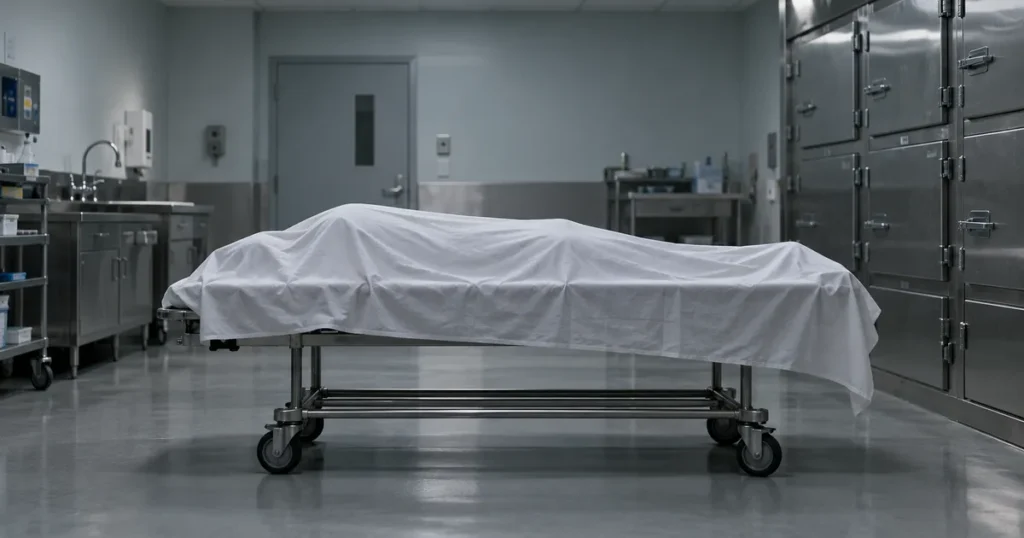
Not everyone dies on hospice.
Some people never hear about it, or hear about it too late. Some can’t get it where they live. Many die in hospitals while still pursuing treatment. Others die suddenly, from a heart attack, stroke, accident, or something no one saw coming.
Some say no. They aren’t ready. It conflicts with their faith or culture. They don’t trust it. Or they looked at the options and chose something else.
None of these is wrong. But families deserve to know what changes when hospice isn’t there.
Hesitation Has a History
Some families are wary of outside services because of what they’ve already experienced.
Health care systems have documented histories of racism and unequal treatment, especially toward Black, Indigenous, immigrant, and other marginalized communities. Other public systems, including protective services and law enforcement, can carry their own histories of coercion and surveillance. People who have been disbelieved, pressured, reported, or overridden learn to be careful about who comes through the door. A caregiver already stretched thin may worry that a stranger will see a tired household and call it neglect.
When someone is dying, inviting another agency into the house may not feel like help.
What to Have in Place
8 Things to Have Before 2 A.M.
If death is expected and hospice isn’t involved, try to have:
- a clinician managing symptoms. Palliative care may help with this (dyingtruth.org/help-finder/what-is-palliative-care) while the person continues treatment.
- a clinician who will certify the death, or who can tell you who will
- comfort medications filled and in the house, not just prescribed
- a plan for nights and weekends: who to call, and at what number
- someone to provide hands-on care, and someone to show them how
- the equipment the person needs, such as a hospital bed or bedside commode
- an out-of-hospital DNR or similar medical order (dyingtruth.org/help-finder/prepare-for-a-medical-emergency), if the person wants to avoid CPR. Names and forms vary by state.
- a funeral home selected
Without a plan for symptoms, after-hours calls, and what happens at the death, 911 often becomes the default.
When Death Comes
Every death has to be legally documented (dyingtruth.org/help-finder/what-to-do-when-someone-dies). Who gets called and what happens next depends on where you live and how the person died. There’s no national checklist.
On hospice, the team usually handles this part. Without hospice, local rules determine who must be notified after a death at home, even when the death was expected. In some places, police, a medical examiner, or a coroner may need to be notified. In others, if a clinician can certify the death, the family may be able to call that clinician or the funeral home first.
If the death is sudden, unexpected, or unclear, call 911. When in doubt, call.
Find out before the death. Ask the clinician, “If they die at home, who do I call first?” Write the answer down. Keep it where everyone in the house can find it.
If there’s no clinician to ask, call a local funeral home. You can also try a local hospice agency. They may be able to explain how expected deaths at home are handled where you live.
Funeral home charges usually start when they pick up the body.
If Someone Calls 911
You don’t control who arrives. It may be firefighters, paramedics, police, or all three.
If the person doesn’t want resuscitation, responders generally need to see the medical order recognized where you live. An advance directive may not be enough for EMS to withhold CPR. Without the required order, they may have to start resuscitation: chest compressions that can break ribs, a breathing tube, medications, a ride to the hospital. Everything the person may not have wanted.
If the person has clearly been dead for some time, responders usually won’t start CPR.
If avoiding CPR matters, ask the clinician now, “What document do paramedics here need to see, and where should we keep it?”
Scared people call 911. If it happens, hand responders the order.
If Police or the Medical Examiner Come
Police, a coroner, or a medical examiner may become involved when a death is sudden, unattended, unexplained, or falls under local reporting rules. That doesn’t mean anyone is suspected of doing something wrong.
People may be asked questions. Access to the room may be limited. The body may stay where it is until the right official decides what happens next. Sometimes an examination or autopsy is required, and release can take hours or days. At that point, the timeline is no longer yours.
For the people who do this every day, it’s procedure. For the family, it’s a death.
You Can Change Your Mind
Saying no to hospice today doesn’t mean saying no forever. If the person is still eligible, they can ask about enrolling later.
Hospice is one way of bringing end-of-life care, medications, equipment, teaching, and an on-call team into the place where someone lives. It isn’t the only way to die. If you choose not to use it, know what will take its place:
- Who manages symptoms?
- Who answers at 2 a.m.?
- Who provides the hands-on care?
- Who signs the death certificate?
- Who do you call when the person dies?
If hospice isn’t part of the plan, make sure something else is.
Helpful reads
- What Dying Actually Looks Like (dyingtruth.org/articles/what-dying-looks-like)
- An Advance Directive Isn’t Enough (dyingtruth.org/articles/advance-directive-isnt-enough)
Read more
When Someone Is Dying
When You’re the One Dying

When Someone Is Dying
What to Do at 3 A.M.
When Someone Is Dying
What Dying Actually Looks Like
When Someone Is Dying
How to Choose a Hospice
When Someone Is Dying
How Hospice Works

Decisions That Shape Dying
When Treatment No Longer Fits
When Someone Is Dying
When Eating Stops
Decisions That Shape Dying
An Advance Directive Isn’t Enough
Decisions That Shape Dying
Dying Happens to a Household
The Rest of Us
When the Help You Expected Isn’t There
The Rest of Us
Who Takes Over If the Caregiver Can’t?
The Rest of Us