
Who Takes Over If the Caregiver Can’t?
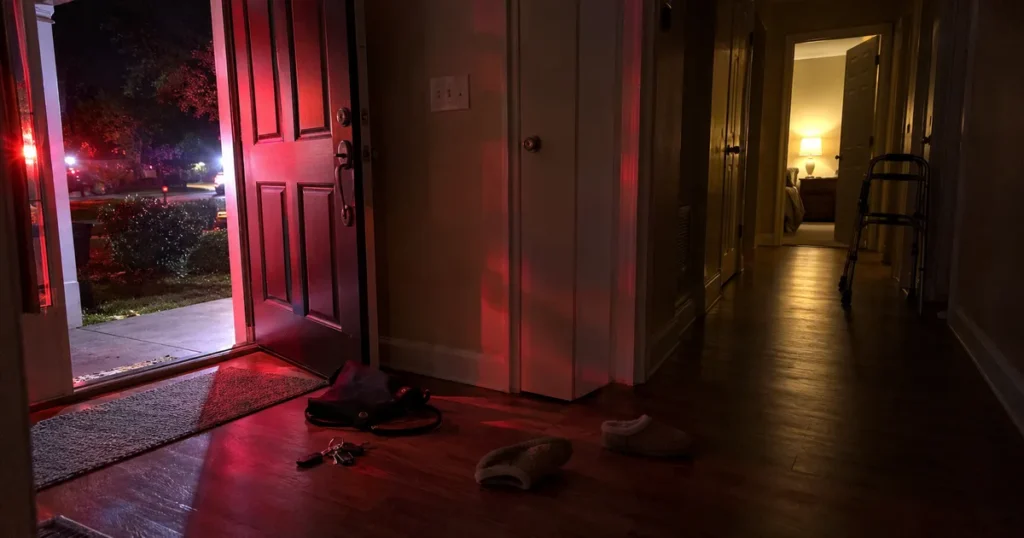
Caregiving should never depend on one heartbeat. But a lot of it does. One person knows the medications, how to get Mom out of bed without hurting her, where the DNR is, and how long Dad can safely be left alone (dyingtruth.org/help-finder/can-they-be-left-alone). That person becomes the system. It works until they get sick, fall, end up in the emergency room, or simply can’t keep going. Then everyone discovers how much of the care plan was living in one person’s head.
The Ambulance Test
Ask the person who’s supposed to be your backup: “If I had to leave in an ambulance tonight, what would you do first?” Not “Could you help?” What would they actually do?
How would they get into the house? Do they know whether the person can stand, what medication is due next, where the medical orders are, and when to call hospice, the doctor, or 911? A backup plan hasn’t been tested until someone other than you can explain what happens next.
“My sister can come” and “My neighbor said to call anytime” aren’t plans yet. Your sister may live fifteen minutes away and still not be able to lift your husband. Your neighbor may be glad to sit with him but have no idea what to do with the oxygen. Help becomes a backup plan when somebody has agreed to a specific job.
Put It on One Page
You don’t need a binder. You need one page somebody can follow at 2 a.m.
Include the medical basics: allergies, current medications, and where the medications are kept. Write down how the person moves. Can they walk alone, or do they need one helper or two? Can they be left alone? Do they have trouble swallowing, wander, or use oxygen? List the numbers someone would actually need: hospice or the medical team, the pharmacy, the equipment company, the health care agent, and the people who’ve agreed to help. Note where the out-of-hospital DNR or other portable order is kept.
Then add what makes the house work. The dog goes in the back room before anyone opens the door. Dad panics if someone comes up behind him. Mom sleeps better with the hall light on. Here’s the alarm code. Those details are the difference between someone being present and someone being able to take over.
Put the page somewhere obvious (dyingtruth.org/help-finder/prepare-for-a-medical-emergency), like the fridge, and make sure your backup knows it’s there. Then carry the other half: a card in your wallet or a note on your phone’s lock screen that says, “I’m the caregiver for someone who can’t be left alone. Please call [name, number].” If you’re the one in the ambulance, it may be the only way anyone finds out.
Your Backup Doesn’t Have to Be You
“No one else can do it the way I do.” Probably not. They don’t need to. A backup needs to keep the person safe, meet the needs they can safely handle, and know when to call for help. Maybe they can sit with the person but can’t transfer them. Maybe they can give a routine medication from a written plan but shouldn’t manage a new symptom. That’s useful to know. A backup plan isn’t pretending everybody can do everything. It’s knowing who can do what.
The person you’re caring for may not like it. They don’t want the aide, or their son helping in the bathroom. They want you. That makes sense, but being preferred isn’t the same as being endlessly available. You can say: “I know you want me to do it. I’m still going to make sure someone else knows how, in case I can’t.” The backup doesn’t replace you. It protects both of you when you can’t be there.
Then Ask Who’s Next
The first backup can get the flu, be out of town, or find the care is more than they can handle. So ask: “If they can’t come, who’s next?” That person may have a smaller job: staying overnight, handling the kids or the pets, sitting in the house until family arrives. A sibling far away may be the one who calls hospice or starts lining up paid help. A backup can be several people covering different pieces.
Then ask the question families avoid: what if there’s nobody? Everyone works, the only nearby relative is elderly, the person needs two people to transfer, or the caregiver ends up hospitalized. Tell the care team plainly: “If I become unavailable, there’s nobody who can safely take over. What are our options?” Ask what actually exists where you live, like respite care, paid caregivers, short-term facility care, or volunteers. Some of it costs money, some has waitlists, and some doesn’t exist at all. You still need to know before the emergency.
Equipment and Access
If the person depends on oxygen, suction, a feeding pump, or a powered bed, ask what happens when it fails. Who do you call after hours? If the oxygen machine plugs in, are there backup tanks, and how long do they last? What can a family member troubleshoot, and what should they leave alone?
Some electric companies have medical-needs or medical-baseline programs (dyingtruth.org/help-finder/help-paying-utility-bills) for people who depend on powered medical equipment. What those programs provide varies, and enrollment doesn’t guarantee faster power restoration. Ask your utility what’s available and what it does and doesn’t provide.
And make sure the backup can get in the door, with a key, a lockbox code, or some safe way in when the person inside can’t answer. It sounds basic until the usual caregiver is the one being loaded into the ambulance.
Some communities also keep emergency registries for people who depend on medical equipment or would need help evacuating. Ask your local emergency management office whether one exists where you live.
Test It on an Ordinary Day
Don’t wait for the emergency to find out the backup can’t do the job. Have them stay for two hours while you leave. Let them give a meal, see a transfer, find the medications, and call the hospice line once if the team is comfortable with that. Afterward, ask: “What didn’t you know?” “What made you nervous?” “What would you have done if I hadn’t answered my phone?” That’s how you find the holes while there’s still time to fix them.
The Plan Is for You Too
If you believe nobody else could possibly do this, take that as a warning, not a compliment. You don’t need a perfect care team. Most families don’t have one. You need fewer things that fail when you’re suddenly unavailable.
That plan isn’t just for the person who’s sick. It’s what lets you go to your own doctor, sleep a few hours, shower without listening through the door, or get sick without the whole arrangement collapsing.
Caregiving should never depend on one heartbeat. Especially yours.
Helpful reads
- What to Do at 3 A.M.
- When Family History Comes to the Bedside (dyingtruth.org/articles/family-conflict-at-end-of-life)
Read more
Decisions That Shape Dying
Dying Happens to a Household

The Rest of Us
When Family History Comes to the Bedside

The Rest of Us
When the Help You Expected Isn’t There

When Someone Is Dying
How to Choose a Hospice

When Someone Is Dying
How Hospice Works

When Someone Is Dying
What to Do at 3 A.M.

The Rest of Us
When Caregiving Ends and You Don’t Know Who You Are
When Someone Is Dying
Dying Without Hospice

Decisions That Shape Dying
When Treatment No Longer Fits

When Someone Is Dying
When Eating Stops
When Someone Is Dying
What Dying Actually Looks Like

Decisions That Shape Dying