

When You’re the One Dying
When you’re dying, people may start talking around you. This is for you: your voice, your choices, who comes in, and asking for what you need.
Longer reads for when you have a little more time. What happens, what helps, and what people wish they’d known sooner.
For the person who is dying and the people beside them. What changes, what’s normal, and what helps.
When you’re dying, people may start talking around you. This is for you: your voice, your choices, who comes in, and asking for what you need.
Caregiving, grief, and what happens to the people who show up and those left behind.
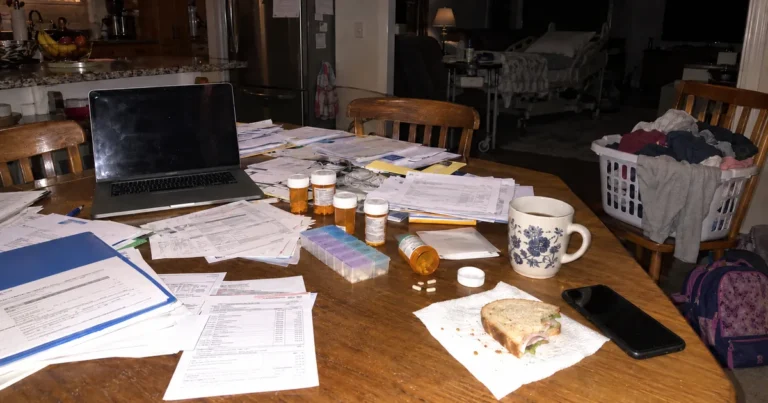
Caregiving help at home is often less than families expect. What Medicare, hospice, paid help and facilities really cover, and how to ask for what you need.
Conversations, documents, treatment choices, and who pays. The planning that leaves fewer people guessing.
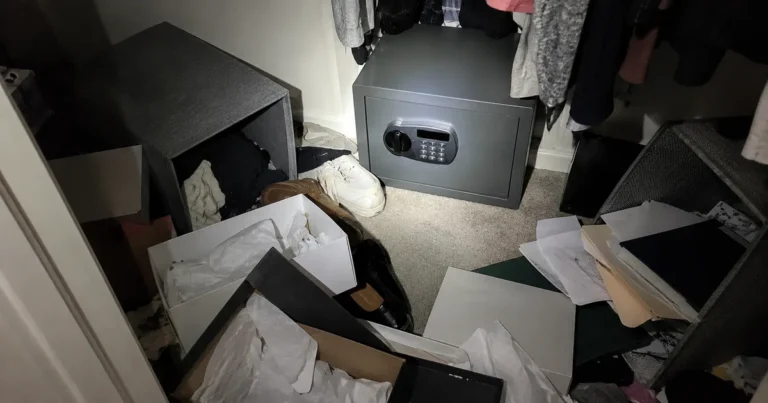
Your advance directive is a good start, not the whole plan. How to make sure it’s found, understood and followed when paramedics, doctors and family need it.