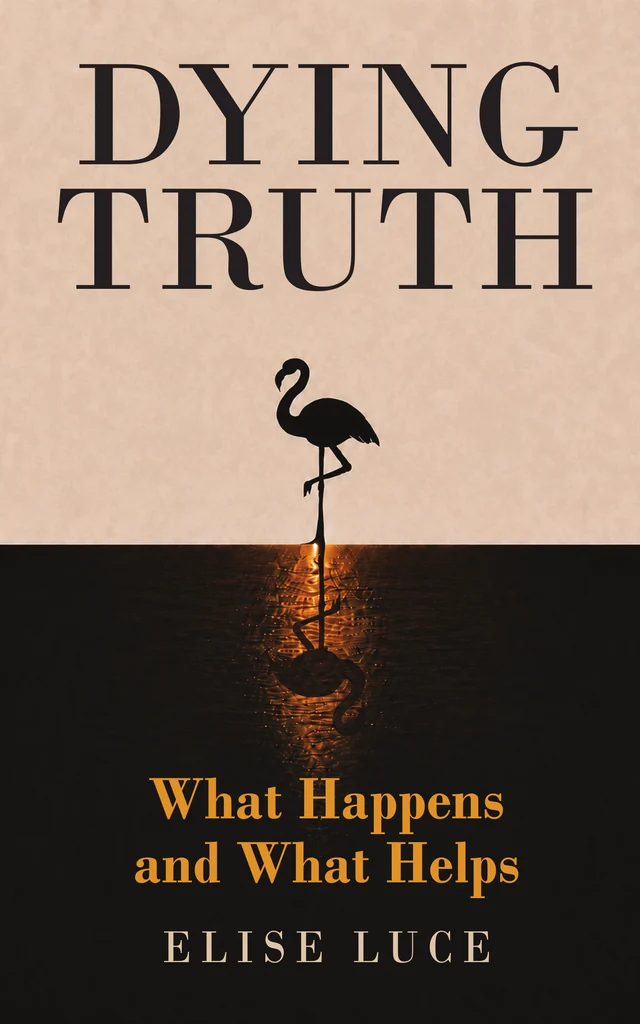
The Book
This is what dying looks like
from the hospice social worker’s
side of the room.
Seven deaths.
Different families. Different endings.
What they had. Who showed up. What had already been decided.
Read the opening and a sample from the first of seven stories. Free.
The First of Seven
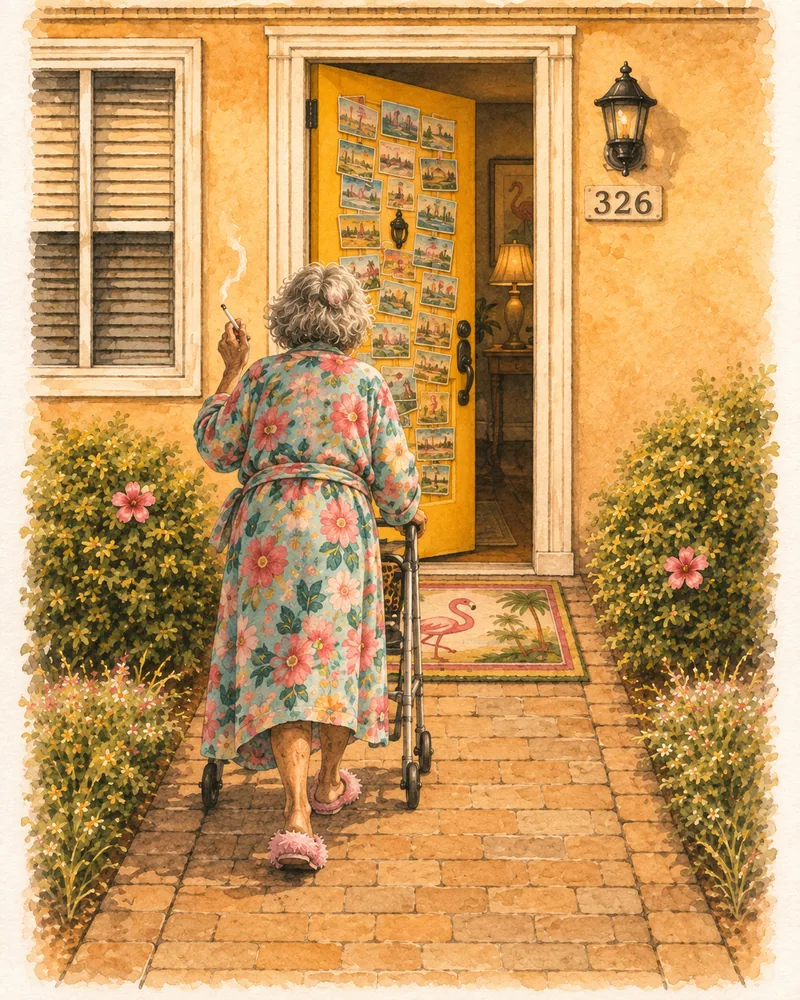
“I’m not dying today. Tell your clipboard to relax.”
Patsy was eighty-six, on oxygen, and had already ordered the party favors for her own funeral.
Questions About the Book
Why should I read this before I need it?
Because when it’s your turn, there’s no orientation.
Is this book too sad?
There is death, grief, conflict, and heartbreak. There is also humor, kindness, ordinary moments, and people who keep showing up for each other. The goal isn’t to make dying sadder. It’s to make it less unfamiliar.
Will this help if I’m the one dying?
Yes. Some conversations happen years too late. Others happen this afternoon. There is still time to understand what’s happening, ask better questions, and make the next decision.
How long is it?
Short. You can read it in an evening. It’s written to be finished.
About the Stories
The stories in Dying Truth are composites drawn from recurring situations, familiar conversations, and years of social work practice. No story belongs to one person or one family. The practical realities have not been changed.
The Book
You’ve met Patsy. Six more doors, counting down.
The site tells you what to do. The book shows you what happens when nobody does it in time.