
How Hospice Works
Hospice, Without the Halo
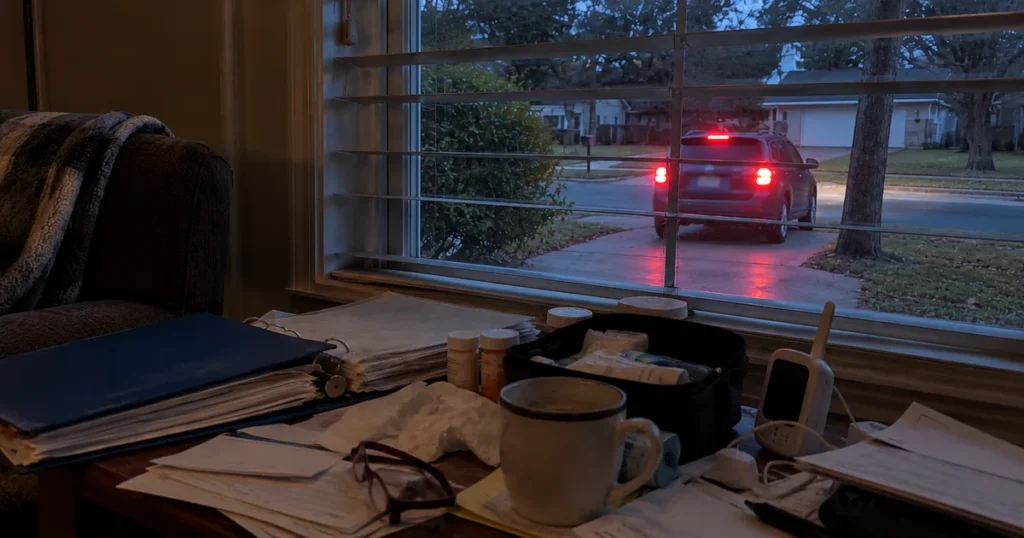
Families often imagine hospice as a place. Usually it isn’t. Most hospice care happens wherever the person lives: a house, an apartment, assisted living, or a nursing home. Some hospice care also happens in hospitals or inpatient hospice facilities when symptoms can’t be managed where the person lives.
Hospice brings a team, equipment, medications, and support into that setting. What it usually doesn’t bring is someone who stays there around the clock.
Hospice can be one of the best supports available near the end of life. It can also disappoint families who thought they were signing up for far more hands-on care than the benefit provides. Understanding what hospice does before you need it gives you a better chance of using it well.
What Hospice Is
Hospice is care for people nearing the end of life who want the focus to shift toward comfort rather than trying to cure the terminal illness. That doesn’t mean all treatment stops. Hospice treats pain, breathlessness, nausea, anxiety, agitation, and other symptoms, and some treatments may continue if they serve comfort or fit the plan of care.
The question changes from “What else can we do to fight the disease?” to “What will help this person live as comfortably as possible now?”
Under Medicare, choosing hospice generally means choosing it instead of Medicare-covered treatment meant to cure the terminal illness and related conditions. Medicare still covers care for health problems unrelated to it. Medicaid programs and many private insurance plans also cover hospice, but the rules vary. If the person isn’t on Medicare, ask the plan how its hospice benefit works.
Hospice also isn’t a one-way door. A patient can revoke hospice and return to other treatment, then elect hospice again later if they’re eligible.
Who Qualifies
Hospice isn’t based on age. For Medicare hospice, a hospice physician, along with the person’s own attending physician if they have one, certifies that the person is expected to live six months or less if the illness follows its usual course. The patient or their representative then elects hospice.
Six months isn’t an expiration date. Some people die sooner, and some live longer. A person can stay on hospice past six months as long as they continue to qualify and are recertified.
After the first 180 days, Medicare requires a hospice physician or nurse practitioner to see the person in person before each recertification. That visit doesn’t mean anyone thinks the person has “lived too long.” It’s part of the process.
Choosing hospice doesn’t require a DNR order. But hospice is built around comfort, not rescue medicine. If CPR and repeated emergency treatment are still central to what the person wants, talk that through before enrolling so everyone understands the plan.
What Hospice Covers
Under Medicare, hospice is responsible for care related to the terminal illness and related conditions. That can include nursing, symptom medications, equipment, supplies, aide and homemaker services, social work, spiritual care, and counseling for the patient and family.
For Medicare-covered hospice services, there’s usually little or no out-of-pocket cost. There may be a small copay for some medications and a share of the cost for inpatient respite care.
Hospice doesn’t take over every medical problem a person has, but “related” can be broader than families expect. A medication that seemed unrelated before hospice may be considered connected once the team reviews the whole picture.
Before outside treatment, especially an emergency room visit or another specialist, call hospice when you safely can and ask:
“Is this related to the hospice diagnosis, and who will pay for it?”
That one call can prevent surprises later.
If hospice says it won’t cover a medication, treatment, or service, ask why. Is it considered unrelated? Is there something else they do cover? How does the decision fit the plan of care?
Families deserve an explanation, not just a no.
If you have Medicare, you can also ask for a written list of the items, services, and medications hospice has decided are unrelated to the terminal illness and won’t cover, along with the reason.
Fewer Medications Can Be Part of the Plan
Hospice usually reviews every medication. Some continue, some change, and some stop because their benefit is years away, swallowing has gotten hard, side effects now outweigh benefits, or they no longer fit the goals of care.
Families sometimes hear “we’re stopping medications” and think care is being withdrawn. Often the team is asking which medications still help this person now.
If a change worries you, ask:
“What was this medicine doing before, and why does the team think it no longer helps?”
If symptoms get worse after a change, tell the nurse.
Hospice Doesn’t Usually Pay Room and Board
This surprises many families.
If someone lives in a nursing home or assisted living, the Medicare hospice benefit generally doesn’t pay the ordinary cost of living there. Hospice pays for the hospice care. The facility provides the daily care. Those are different jobs and different bills.
Medicare covers room and board only during certain short hospice stays, such as inpatient respite or general inpatient care, not for ongoing residence.
If the person has Medicaid, ask whether it will cover nursing home room and board while they’re on hospice.
The First Few Days
Hospice admission is more than one visit.
A nurse completes the initial assessment and the rest of the team begins building the care plan. Equipment, medications, and supplies may start arriving quickly. A social worker, chaplain, aide, or other team member may call or visit before the family has figured out who everyone is.
That doesn’t necessarily mean the person suddenly got worse. It’s part of getting the service in place.
It can also feel like a lot.
Hospice asks families to let new people into the home during an intensely private time. They may ask about medications, caregiving, finances, family relationships, beliefs, and what matters most to the person.
If something feels intrusive, say so. Ask why a question is being asked. Ask what’s required. Tell the team what would make visits easier.
They need to understand the family they’re walking into, not just the diagnosis.
The Team Comes and Goes
Routine home hospice isn’t around-the-clock bedside care.
The nurse visits according to the person’s needs. Aides may help with bathing and personal care. The social worker helps with caregiving problems, family conflict, placement, finances, funeral planning, or whatever else is making things harder. Chaplains offer spiritual or emotional support if it’s wanted. Volunteers may be available. Physicians and nurse practitioners direct the medical care, often behind the scenes.
How often each one comes depends on the person’s needs and how they change.
Ask:
“Based on what this person needs right now, what visits are you planning?”
Don’t assume the team knows how bad things have gotten between visits. Call when symptoms change, nights get harder, or last week’s plan no longer works, and ask for a reassessment.
Who Does the Rest of the Care
This is the part families are least prepared for.
Hospice supports the care. Families often provide most of it.
Someone may still need to give medication at midnight, help with toileting, change the bedding, reposition the person, clean up after an accident, watch for falls, answer the same question again, or stay close because the person can no longer be left alone.
Hospice usually assumes there’s a workable caregiving plan where the person lives.
If you can’t keep doing the care safely, tell the team plainly:
“This is not sustainable at home.”
That’s useful information, not a confession.
If the person lives alone and no one can provide the care they now need, tell hospice early. More help may need to be arranged, or another setting may be safer.
The 24-Hour Number Matters
Hospice must be available around the clock for clinical support. That doesn’t necessarily mean your regular nurse answers at 3 a.m., or that someone will arrive right away.
4 Questions About the 24-Hour Line
Ask before the first crisis:
- “Who answers after hours?”
- “How long until a callback?”
- “What would make you send someone?”
- “What should make us call 911 instead?”
Then put the number where everyone can find it.
At 3 a.m., nobody should be digging through admission paperwork.
When Routine Hospice Isn’t Enough
Medicare recognizes four levels of hospice care. Most hospice days are routine home care. The other three are for specific, short-term needs:
- Continuous home care is for a symptom crisis that requires intensive care where the person lives. Medicare requires at least eight hours of care in a 24-hour period, with more than half of those hours provided by nursing. The hours don’t have to be consecutive.
- Inpatient respite care is a short stay in an approved facility, up to five days at a time, to give an unpaid caregiver a break.
- General inpatient care is a short inpatient stay for pain or other symptoms that can’t be managed in another setting.
These aren’t upgrades families receive automatically because caregiving has gotten hard. Each has its own purpose.
If things are falling apart, ask:
“What level of care is this person receiving now?”
“What would make them qualify for a different one?”
“If they don’t, what other options do we have?”
As Needs Increase
Visit frequency should change when the person’s needs change.
More symptoms may mean more nursing. More personal care needs may mean more aide support. Caregiver strain may mean more help from social work. Spiritual distress may mean more chaplain involvement.
But don’t assume the team knows how bad things have gotten between visits.
Call when symptoms change, nights get harder, or last week’s plan no longer works.
Ask for reassessment.
And if the problem is the caregiver, say that too.
Hospice in a Nursing Home or Assisted Living
When someone already lives in a facility, two teams may be involved. The facility stays responsible for meals, bathing, toileting, supervision, and daily help. Hospice adds end-of-life symptom management and its team.
This can work beautifully.
It can also turn into the facility saying “Call hospice,” hospice saying “That’s the facility’s job,” and the family standing in the middle.
If that starts happening, ask:
“Can we have a care conference with the facility and hospice together, so everyone agrees on who does what?”
One meeting can solve more than another round of phone calls.
Children Have a Different Rule
Adults on Medicare hospice generally give up coverage for curative treatment of the terminal illness. Medicaid and CHIP beneficiaries under 21 can receive hospice while continuing curative treatment for the terminal condition.
If a child is seriously ill (dyingtruth.org/help-finder/pediatric-hospice-palliative-care), ask specifically about concurrent hospice and curative care. Don’t assume the adult rules apply.
Choosing a Hospice
Hospices differ in staffing, responsiveness, communication, and what services are actually available where you live.
Before you sign, ask who answers the phone at 2 a.m. and what happens when symptoms can’t be managed at home. Then tell them about the problem you already know you’ll have: the spouse who can’t lift the patient, the person who lives alone, the nights dementia makes hard, the family two hours away. Ask how they’d handle it.
Medicare’s Care Compare can also help you compare Medicare-certified hospices.
For more questions to ask, see How to Choose a Hospice.
If Hospice Isn’t Working
Hospice is a service, not a favor. You’re allowed to expect competent care.
If symptoms aren’t managed, visits fall through, calls go unreturned, or concerns get brushed off, start with the team and be specific:
“His pain hasn’t been controlled since yesterday.”
“We called three times and got no callback.”
“We were told someone would come, and nobody did.”
If it continues, ask for the nurse manager or administrator (dyingtruth.org/help-finder/hospice-not-working). You can ask for a different staff member, use the hospice’s complaint process, or transfer to another hospice.
Under Medicare, you can transfer to another hospice once during each benefit period without leaving hospice care.
Switching takes coordination at a hard time. That doesn’t mean you have to stay with care that isn’t meeting the person’s needs.
Hospice Can End Before Death
Some people stabilize or improve enough that they no longer meet hospice eligibility requirements. Hospice can then discharge them.
For Medicare patients, the hospice must provide written notice before covered services end and explain the right to request a fast appeal.
If discharge is coming, ask before it happens:
“What happens to the bed, the medications, and the care plan?”
“Who manages symptoms now?”
Hospice-provided visits, medications, supplies, and equipment may end when the hospice benefit ends, so don’t wait until the last day to make the next plan.
The person can return to hospice later if they qualify again.
After the Death
Hospice care doesn’t necessarily end when the person dies.
Medicare-certified hospices provide bereavement support to family and others identified in the bereavement plan for up to a year after the death. What that looks like varies. It may include phone calls, mailings, counseling, groups, memorial services, or referrals elsewhere.
Ask what yours actually provides.
Hospice Is Help, Not a Halo
Hospice can make dying at home possible for families who couldn’t manage it alone. It can reduce suffering, give people someone to call when they’re scared, and help a family understand what’s happening before every change becomes an emergency.
It can also be understaffed, inconsistent, hard to reach, or less hands-on than a family expected.
So don’t ask whether hospice is “good.”
Ask what this hospice will actually provide, for this person, in this home, with this caregiver, and keep asking as things change.
Hospice supports the care. Someone still has to live the hours between the visits.
Helpful reads
- How to Choose a Hospice (dyingtruth.org/articles/how-to-choose-a-hospice)
- What to Do at 3 A.M. (dyingtruth.org/articles/calling-hospice-at-night)
- When the Help You Expected Isn’t There (dyingtruth.org/articles/caregiving-help-at-home)
Read more

The Rest of Us
When the Help You Expected Isn’t There

Decisions That Shape Dying
Dying Happens to a Household

When Someone Is Dying
How to Choose a Hospice

When Someone Is Dying
What to Do at 3 A.M.

When Someone Is Dying
Dying Without Hospice
When Someone Is Dying
What Dying Actually Looks Like

When Someone Is Dying
When You’re the One Dying

The Rest of Us
Who Takes Over If the Caregiver Can’t?

The Rest of Us
When Caregiving Ends and You Don’t Know Who You Are

Decisions That Shape Dying
When Treatment No Longer Fits

When Someone Is Dying
When Eating Stops

The Rest of Us