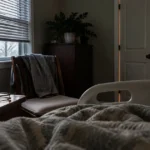
What to Do at 3 a.m.
The middle of the night is when fear hits hardest. The house is dark. Everyone else is asleep. You’re the one listening to every breath.
Hospice teams usually explain what to expect, when to give medication, and when to call. If you have hospice, ask for that guidance before a crisis happens.
Call the hospice now if
- Pain is severe or suddenly worse
- The person seems very short of breath or distressed
- Agitation is severe or won’t settle
- There is new or heavy bleeding
- The person falls or is injured
- You gave medication as instructed and it isn’t helping
- Something has changed and you don’t know what to do
- You think the person has died
- You’re scared enough that you need someone to talk you through it
You do not have to decide whether something is “bad enough” before you call. That’s what the on-call line is for.
Changes that can be normal near death
As the body shuts down, you may notice:
- Irregular breathing
- Long pauses between breaths
- Cool hands or feet
- Blotchy or mottled skin
- Much more sleeping
- Little interest in food or fluids
- Wet, rattling, or gurgling breathing
- Less urine
- Less talking or responding
These changes can be part of dying. They do not mean you’re doing something wrong.
If the person looks uncomfortable, a change is sudden, or you aren’t sure what you’re seeing, call the hospice.
What the on-call hospice team can do
The hospice team can help you figure out what may be happening, whether medication is needed, and what to do next. A hospice nurse or doctor is available 24 hours a day, 7 days a week.
They may:
- Talk you through symptoms and breathing changes
- Review the medications you have in the house
- Tell you whether to give a medication that has already been prescribed
- Help you decide whether someone needs to come to the home
- Tell you what changes you may see next
If you are enrolled in hospice, call the hospice before calling an ambulance for symptoms related to the terminal illness unless there is an immediate safety emergency.
How to describe what you’re seeing
You don’t need medical words. Describe what you see.
“He’s breathing fast, then stopping for 10 or 15 seconds.”
“Her hands are cold and blotchy.”
“He’s making a wet sound when he breathes out.”
“She keeps trying to climb out of bed.”
Words like gasping, choking, or drowning are okay too. Use your own words. The nurse will ask questions to figure out what is happening.
When to give breakthrough medication
If the hospice team has already told you when and how to give a breakthrough medication, follow those instructions.
Give the prescribed dose. Write down the medication, amount, and time.
Don’t hold back a prescribed dose because you’re afraid it will cause death. Treating symptoms as prescribed is not what causes death.
If you aren’t sure which medicine to give, how much to give, or whether it is time for another dose, call the hospice.
If You Don’t Have Hospice
Without hospice, you may not have a nurse available around the clock. That can make the middle of the night much harder.
If the person is seriously ill and the change is not an immediate emergency, call the doctor’s after-hours number or other medical service you were told to use.
Call 911 for an immediate medical emergency, especially if the illness or decline was not expected.
If the person is expected to die at home and does not want resuscitation, find out ahead of time what document emergency medical services require where you live. The name and rules for an out-of-hospital DNR vary by state.
Also ask ahead of time what to do when the death occurs. Without hospice, who must be called, who may pronounce the death, and whether a medical examiner or other authority must be involved can depend on where you live and the circumstances of the death.
A doctor’s office, local funeral home, or other health care professional can help you learn the procedure before you need it.
Managing your own panic
The instinct may be to dial 911 or rush to the emergency room. That is what most of us have been taught to do when something goes wrong.
But expected dying can look frightening even when the person is comfortable.
Your heart may race. You may shake. You may worry that you’re missing something or making the wrong decision.
Put your feet on the floor.
Look at the person.
Ask yourself: Do they look uncomfortable?
Then follow the plan you were given.
If you have hospice, call them. You are not bothering them. This is part of what hospice is there to do.
If you need another person with you, call someone. Sometimes hearing another human voice is enough to make the room feel manageable again.
No one expects you to be brave at 3 a.m. Just present.
Your presence is enough.
Get Ready Ahead of Time
Write down:
- Hospice or after-hours medical number
- Which medications may be given for pain, breathing trouble, or agitation
- The dose and how often each may be given
- Who to call when death occurs
- Where the DNR or other emergency medical order is kept
Keep the information somewhere visible.
At 3 a.m., you should not have to search for it.