
When Family History Comes to the Bedside
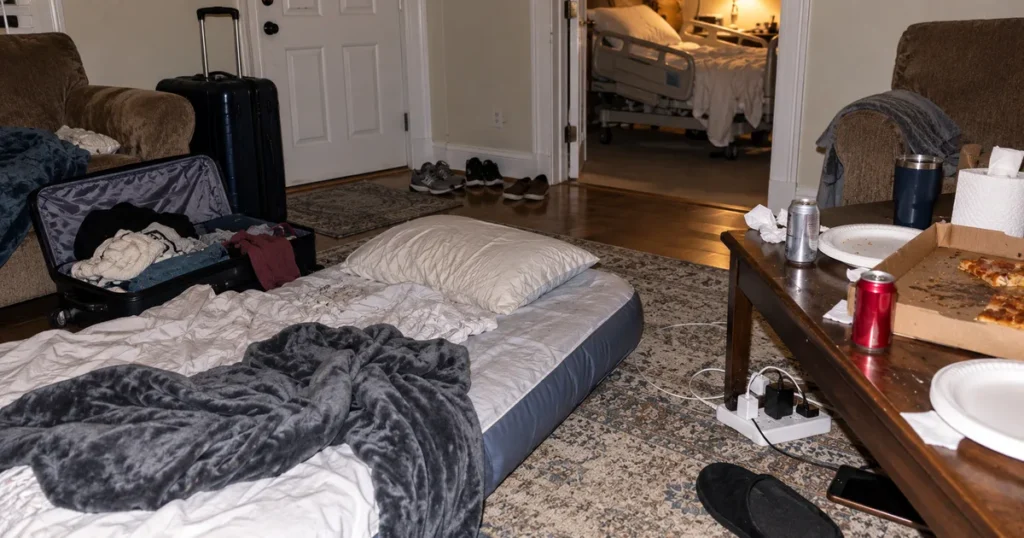
Dying doesn’t turn a complicated family into a simple one. The brother who never calls doesn’t suddenly become dependable. The daughter who has always handled everything gets handed one more thing. The sibling three states away has strong opinions about care someone else is providing. And sometimes the person who needs care is someone who hurt you.
Illness changes a lot. It doesn’t erase the family that was there before it.
Old Roles Become the Care Plan
Families assign jobs long before anybody gets sick: the responsible one, the absent one, the peacemaker, the one with money. When someone becomes seriously ill, those roles become the care plan. The responsible daughter goes to appointments because of course she does. The unmarried sibling gets the overnights because everyone assumes they have less going on.
None of those roles tells you who has the time, health, money, or temperament to provide care. They’re habits, not a staffing plan. If you became the caregiver because you were closest, most reliable, or didn’t run fast enough, you’re still allowed to say, “This is too much.”
The Person Doing the Work Sees Something Different
The person who visits for two hours on Sunday sees Dad dressed and talking in his chair. The person living there knows he was up six times last night, needed help off the toilet, refused his medicine, and nearly fell walking back to bed. Both people saw Dad. Only one saw Tuesday at 3 a.m.
When someone disagrees with the plan, bring the conversation back to the work. Who’s staying overnight? Who’s helping with bathing? Who can come if the caregiver gets sick? Who’s paying for the help everyone agrees should happen? A vague opinion gets clearer when somebody has to put their name next to a task.
When Care Is an Obligation
In some families, caregiving is discussed. In others, it’s assigned by birth order, gender, faith, culture, or a promise made years ago. That obligation can feel sacred and crushing at the same time.
Respecting tradition doesn’t require pretending physical limits don’t exist. A person can believe family should provide care at home and still reach a point where one exhausted relative can’t safely lift, turn, or stay awake around the clock. Love doesn’t create another pair of hands.
Love, Resentment, and Everything in Between
You can love someone and dread walking into their room. You can want them to live and want the caregiving to end. You can feel tender helping them into bed and furious ten minutes later when they call you back. Caregiving happens when people are tired, frightened, in pain, and losing control of their own bodies. There’s no reason every feeling it produces should be beautiful.
Caring for Someone Who Hurt You
Sometimes the person who needs care was neglectful, cruel, controlling, or abusive. They may have disappeared when you needed them, and now they need you to show up.
People may tell you this is your chance to make peace, that you’ll regret it if you don’t forgive, that they’re dying now. But dying doesn’t erase what happened. And the intimacy of caregiving can make old wounds louder, not quieter: bathing them, turning them, walking into rooms your body remembers.
You don’t have to manufacture forgiveness because time is running out. You don’t have to personally provide care that isn’t safe for you. If you stay involved, you decide what that looks like. You can arrange care instead of giving it, call instead of visiting, handle paperwork but not bathing, or be there only when someone else is in the room.
If being around them isn’t safe, physically or emotionally, tell the care team. You don’t have to explain the history. “I can’t be the hands-on caregiver” is enough for them to plan around. If you’re already providing care and need to stop, tell the care team before you step back, so the person isn’t left without help.
There’s more than one way to show up.
Sometimes the Fight Is About Guilt
Families don’t always argue about what they say they’re arguing about. “We promised Mom she’d never go to a nursing home” may be about the promise, or it may be about guilt. “Keep trying everything” may mean “I’m not ready for him to die.” “You need to do more” may mean “I feel terrible that I’m not there.”
A social worker can help separate the questions. What does the person want? What’s safe? What can the family provide? What has to be decided today?
When the House Can’t Hold the Care
Sometimes the care outgrows the house. The person needs two people to transfer. Someone has to be awake all night. Dementia makes it unsafe to leave them alone. The only caregiver gets hurt or worn out. If hospice is involved, ask about respite care (dyingtruth.org/help-finder/respite-care), a short facility stay that gives the caregiver a few days to recover and think. If hospice isn’t involved, ask the person’s doctor or your local Area Agency on Aging about respite options.
Moving someone can feel like breaking a promise. But “I’ll never put you somewhere” was usually promised before anyone knew what the care would require. Placement isn’t proof that love failed. New information is allowed to change a plan. What matters now is whether the current plan still works.
Make the Problem Smaller
You don’t have to solve the divorce from 1987, the inheritance fight, the critical mother, and the fact that nobody has forgiven Aunt Linda. Don’t make a dying person’s bedside the place where the family finally has to become healthy. Ask instead: What needs to happen today, and who gets to decide?
That second question has a real answer. If the person can still make their own decisions, they decide, even when the family disagrees. If they can’t, find out who has legal authority to speak for them (dyingtruth.org/help-finder/medical-decision-for-someone-else). That may be the health care agent they named in advance. If nobody was named, or there’s disagreement about who has authority, ask the care team what law and document they’re relying on.
If conflict is making care harder, ask the social worker, chaplain, or care team for a family meeting (dyingtruth.org/help-finder/family-disagrees-about-care). The goal isn’t agreement. It’s enough clarity to make the next decision without doing more damage.
Some Things Stay Unfinished
There’s a lot of pressure around death to reconcile. Sometimes something real happens because time is short. Sometimes it doesn’t. Some relationships stay unresolved because the people in them are unresolved.
You only have to stay steady enough to move through what’s happening now. Protect what the person wants, what’s safe, and what’s sustainable. The rest of the family story will still be there when the dying is over.
Helpful reads
- When the Help You Expected Isn’t There (dyingtruth.org/articles/caregiving-help-at-home)
- An Advance Directive Isn’t Enough (dyingtruth.org/articles/advance-directive-isnt-enough)
Read more
The Rest of Us
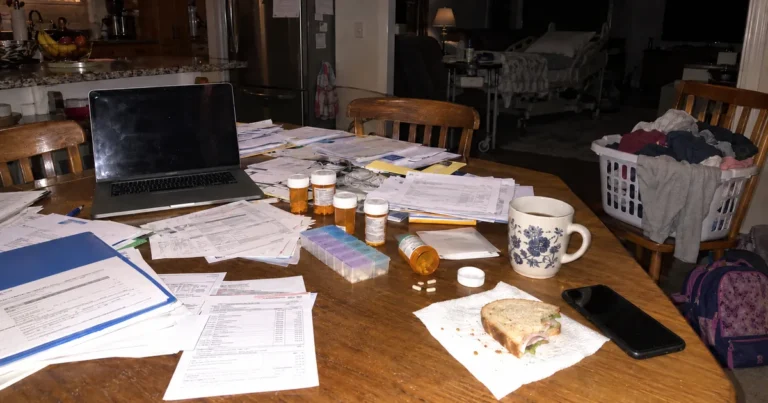
When the Help You Expected Isn’t There
Decisions That Shape Dying
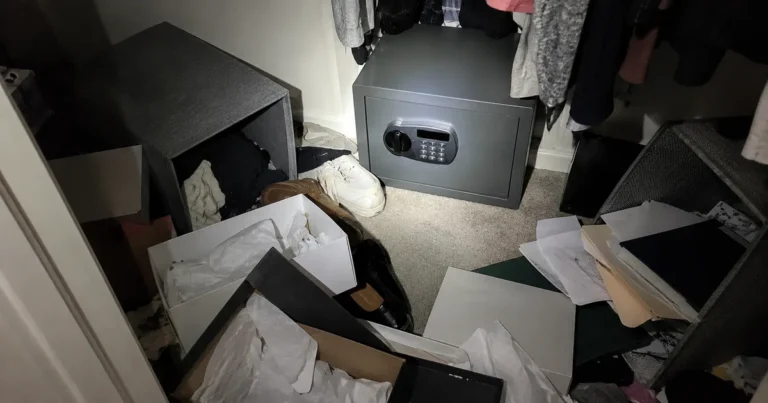
An Advance Directive Isn’t Enough
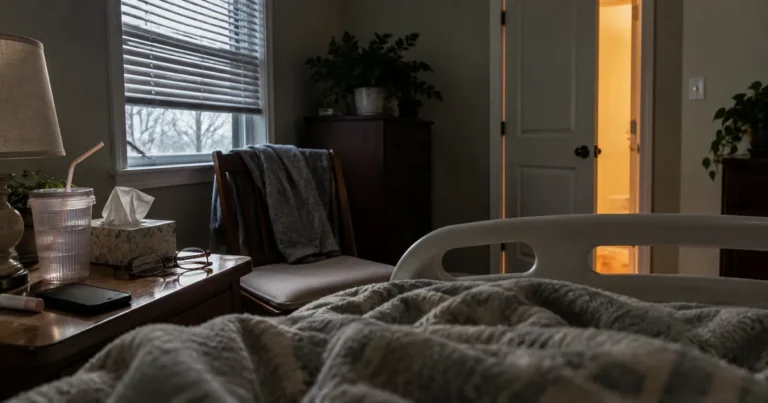
When Someone Is Dying