
An Advance Directive Isn’t Enough
Many people believe they’re covered. They filled out the form. They signed it in front of a notary. It’s in the file cabinet, or the safe, or the lawyer’s office.
The form is a good start. It’s rarely the whole plan.
An advance directive can record what you want and, depending on the document, name who should speak for you if you can’t. But by the time anyone needs it, the person who wrote it usually can’t explain it. Everything depends on whether the form can be found, whether it answers the question being asked, and whether the person holding it can carry it out. That’s where good plans fall apart.
The Form Has to Be Found
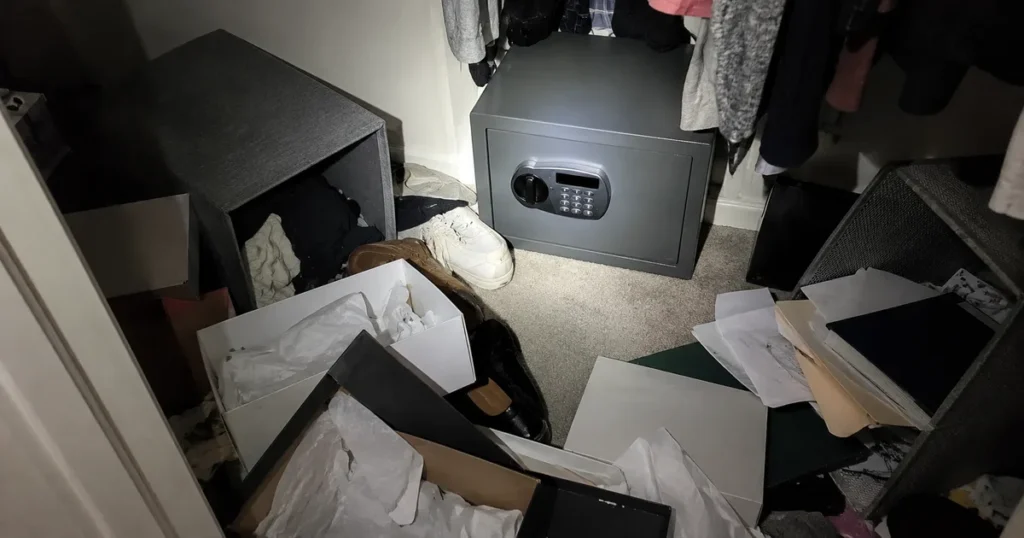
The emergency room works from what’s in front of it. If your directive is in a drawer at home, it isn’t in the chart. If it was scanned into one hospital’s system, the hospital across town may never see it.
Families search a house for the document while their mother is being intubated. A son arrives with the folder an hour after the decision was made.
Give copies to the person you named, your backup, your doctor, and any health system you use, and ask each one how to get it into your medical record. Keep the original somewhere safe that another person can reach. A safe-deposit box sounds secure, but it can be hard for anyone else to open when you can’t. Then tell one person exactly where everything is and which version is current.
Paramedics Need a Different Document
This is the gap that surprises people most. An advance directive tells people what you want, but in many places it isn’t the medical order paramedics need when someone’s heart or breathing stops. Emergency responders generally need a valid out-of-hospital medical order before they can withhold CPR.
That order goes by different names depending on where you live: out-of-hospital DNR, POLST, MOLST, MOST, or something similar. The rules vary from state to state, and these orders are generally meant for people who are already seriously ill or frail.
If you’re seriously ill and don’t want CPR, ask your doctor or hospice team, “What do paramedics here need to see?” Then make sure the right form is completed, signed, and kept where emergency responders will find it. In many homes, that means the refrigerator.
Being on hospice doesn’t take care of this on its own, either. Families still call 911 in a panic. When they do, the order on the fridge is what keeps the plan intact.
“No Heroic Measures” Doesn’t Answer the Question in Front of You
Most directives are written in broad terms. No machines. No heroic measures. Don’t keep me alive if there’s no hope. Then the actual question arrives, and it’s smaller and harder.
Does a breathing mask count as a machine? Is a feeding tube heroic if it’s for two weeks after a stroke? Is dialysis okay? What about one more round of antibiotics? What does “no hope” mean when the doctor says there’s a small chance?
The document can’t answer every one of those questions. The person you named has to understand what matters to you well enough to apply your wishes to a situation you never predicted. That’s why the conversation matters more than the wording. “I don’t want to live if I can’t recognize my family” helps more than “no extraordinary measures,” because it tells your decision-maker what the measures are for.
The Person You Named Has to Be Able to Do the Job
Choosing someone is easy. Being chosen is hard.
Some healthcare agents know exactly what their father wanted and still can’t say it out loud, because saying it feels like choosing his death. Some ask for one more day, then one more test. Some hand the decision to whoever in the room is loudest.
The best decision-maker isn’t always the closest relative or the one who lives nearby. It’s the person who can hear bad news, ask hard questions, stand up to family pressure, and keep saying what you wanted even when it isn’t what they want.
Ask them whether they can do it. Then tell them what you want, what you don’t, and what would be too much. Name a backup in case they can’t.
The Relative Who Arrives Last
This happens a lot. The family has been at the bedside for weeks. They know what the doctors have said and have accepted where this is going. Then a sibling flies in from out of state, hasn’t seen how sick Dad is, and wants everything done.
Sometimes that person is driven by guilt. Sometimes they never heard the conversations. Sometimes they remember something different.
A medical decision isn’t a family vote. If you legally named someone to make decisions for you, another relative doesn’t automatically get equal authority because they disagree. But conflict can still slow everything down while the team sorts out who has authority, which document is current, and what the patient actually wanted. Risk management or an ethics committee may get involved.
The fix happens years earlier. Tell everyone who expects to be involved what you want and who will speak for you. Don’t let an ICU hallway be the first place your brother learns he wasn’t chosen.
What to Ask at the Bedside
When the document isn’t clear and the room is tense, these questions bring the decision back to the person who’s sick:
- “What would she say if she could sit up and see this?”
- “What did he care about most when he was well?”
- “If this treatment works, what will his life look like afterward?”
- “Is this getting her back to something she’d call living?”
If the answers still don’t settle it, ask for palliative care, a chaplain, the social worker, or an ethics consultation. You don’t have to know the law to ask what process the hospital uses when people disagree (dyingtruth.org/help-finder/family-disagrees-about-care).
Make the Plan Work Before You Need It
Fill out the advance directive (dyingtruth.org/help-finder/advance-directive-forms). Then do the parts the form can’t:
- Tell the person you named what you want, in plain words, and make sure they can carry it out.
- Tell everyone else who will expect a say.
- If you’re seriously ill, ask what medical order emergency responders need (dyingtruth.org/help-finder/prepare-for-a-medical-emergency) and get it completed.
- Put copies where they’ll be found, and make sure your medical record has the current one.
- Look at it again after a diagnosis, a divorce, a death, or a move to another state.
The form records your wishes. The people around you are the ones who may have to carry them.
Helpful reads
- When the Help You Expected Isn’t There (dyingtruth.org/articles/caregiving-help-at-home)
- When Treatment No Longer Fits
Read more
When Someone Is Dying
When You’re the One Dying
The Rest of Us